$99.99
GHK-Cu is a copper-binding peptide widely studied for its role in skin regeneration, collagen production, and tissue repair. It is commonly researched for improving skin elasticity, supporting wound healing, and enhancing overall cellular renewal.
GHK-Cu (Glycyl-L-Histidyl-L-Lysine Copper) is a naturally occurring tripeptide that binds with copper ions to form a bioactive complex. It is found in human plasma and plays a significant role in tissue repair and regeneration. Due to its strong connection with skin health and cellular repair, GHK-Cu has become a key focus in anti-aging and dermatological research.
GHK-Cu works by activating pathways involved in tissue repair and regeneration. It stimulates fibroblast activity, which plays a key role in collagen and elastin production—both essential for maintaining skin structure and elasticity.
It also promotes angiogenesis (formation of new blood vessels) and supports the remodeling of damaged tissue. In addition, GHK-Cu has antioxidant and anti-inflammatory properties, helping reduce oxidative stress and support cellular recovery.
Through these mechanisms, it contributes to improved skin quality and accelerated repair processes.
GHK-Cu has been extensively studied in dermatology and regenerative medicine. Research highlights its role in improving skin firmness, reducing visible signs of aging, and enhancing wound healing processes.
It is also explored in studies related to hair growth, tissue remodeling, and anti-inflammatory responses. Its ability to influence gene expression linked to repair and regeneration makes it a valuable compound in advanced peptide research.
Ongoing studies continue to evaluate its broader applications in skin health, recovery, and longevity science.
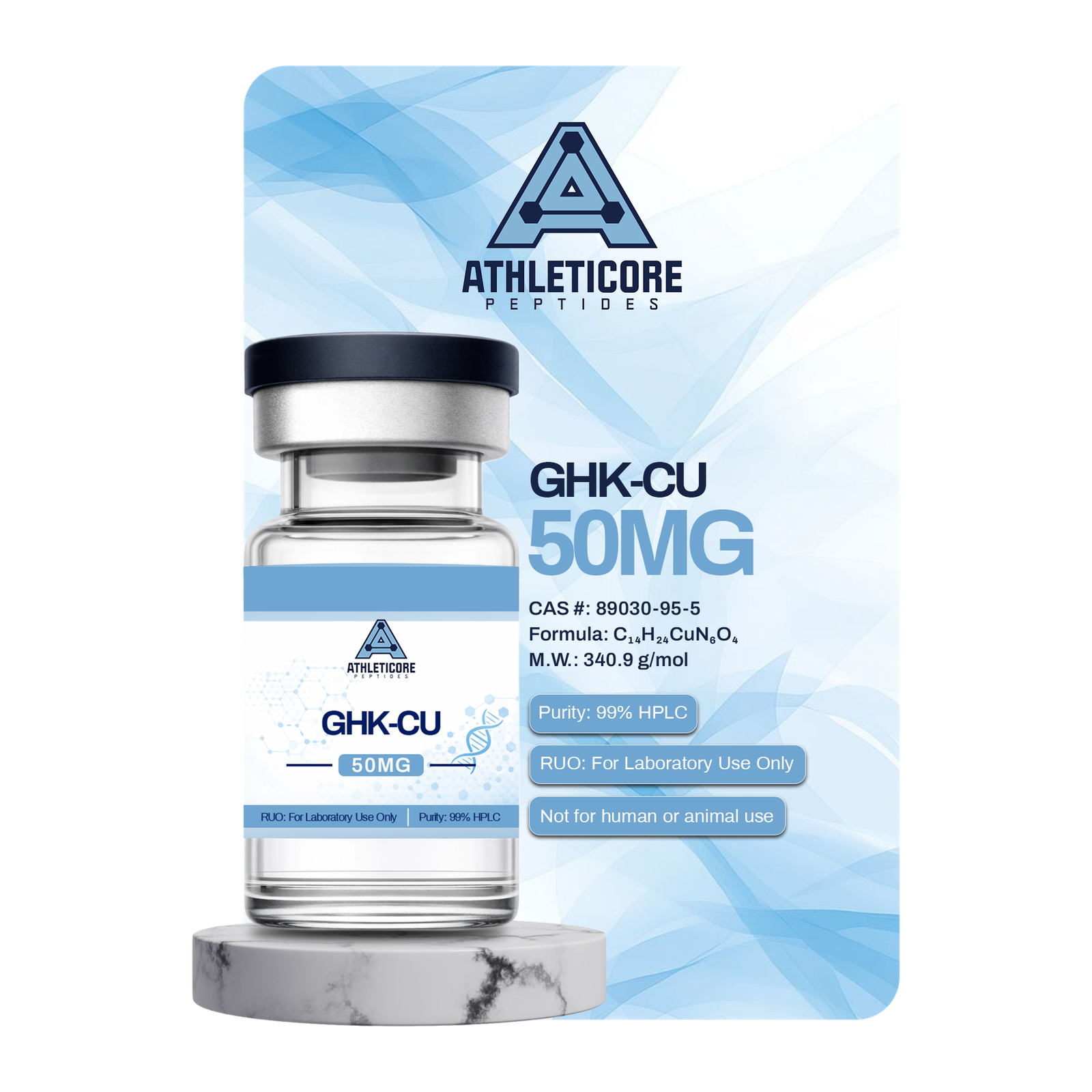
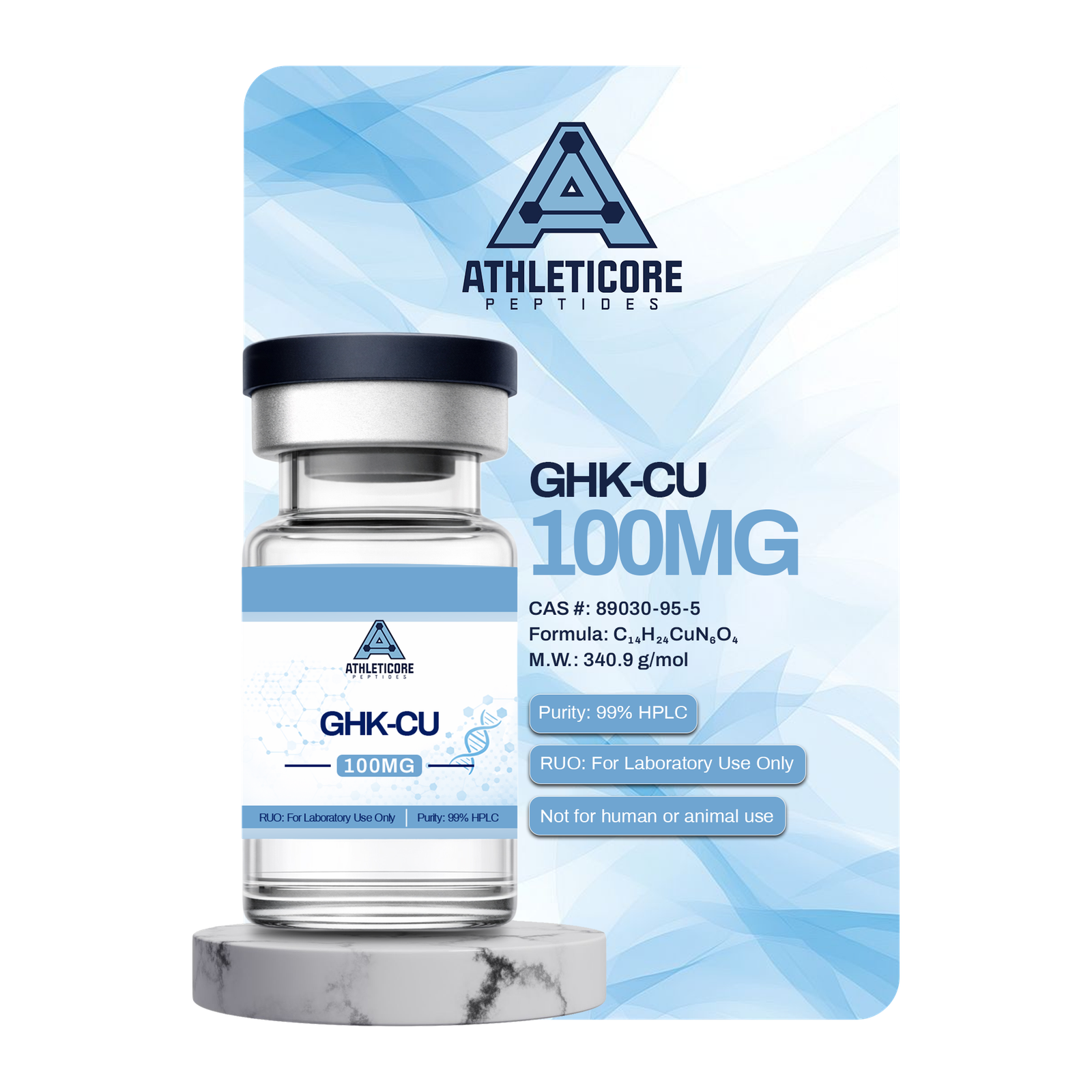
| Strengh | 50mg, 100mg |
|---|
Reviews
There are no reviews yet.