
$99.99
Retatrutide is a next-generation peptide studied for its role in advanced metabolic regulation. It is widely researched for influencing glucose control, energy balance, and weight management through multi-receptor activity.
Retatrutide is a novel synthetic peptide designed as a triple receptor agonist targeting GLP-1, GIP, and glucagon receptors. This multi-pathway approach makes it one of the most advanced compounds in metabolic and obesity research. It is being extensively studied for its ability to regulate energy expenditure, appetite, and glucose metabolism simultaneously.
Retatrutide works by simultaneously activating three key metabolic receptors. GLP-1 and GIP receptor activation enhances insulin secretion and improves glucose control, while glucagon receptor activation increases energy expenditure.
It also influences appetite regulation by promoting satiety signals, which may reduce caloric intake in research models. The addition of glucagon receptor activity differentiates it from other incretin-based compounds by potentially increasing fat metabolism and overall energy usage.
This combined mechanism allows for a broader and more powerful impact on metabolic pathways.
Retatrutide is a cutting-edge compound in metabolic research, particularly in studies related to obesity, insulin resistance, and advanced weight management strategies. Early research suggests significant effects on body weight reduction and metabolic efficiency compared to single or dual receptor agonists.
It is also being explored for its impact on lipid metabolism, cardiovascular markers, and long-term metabolic health. Its triple-action profile positions it as a next-generation candidate in metabolic science.
Ongoing studies continue to evaluate its safety, efficacy, and broader applications in metabolic optimization.
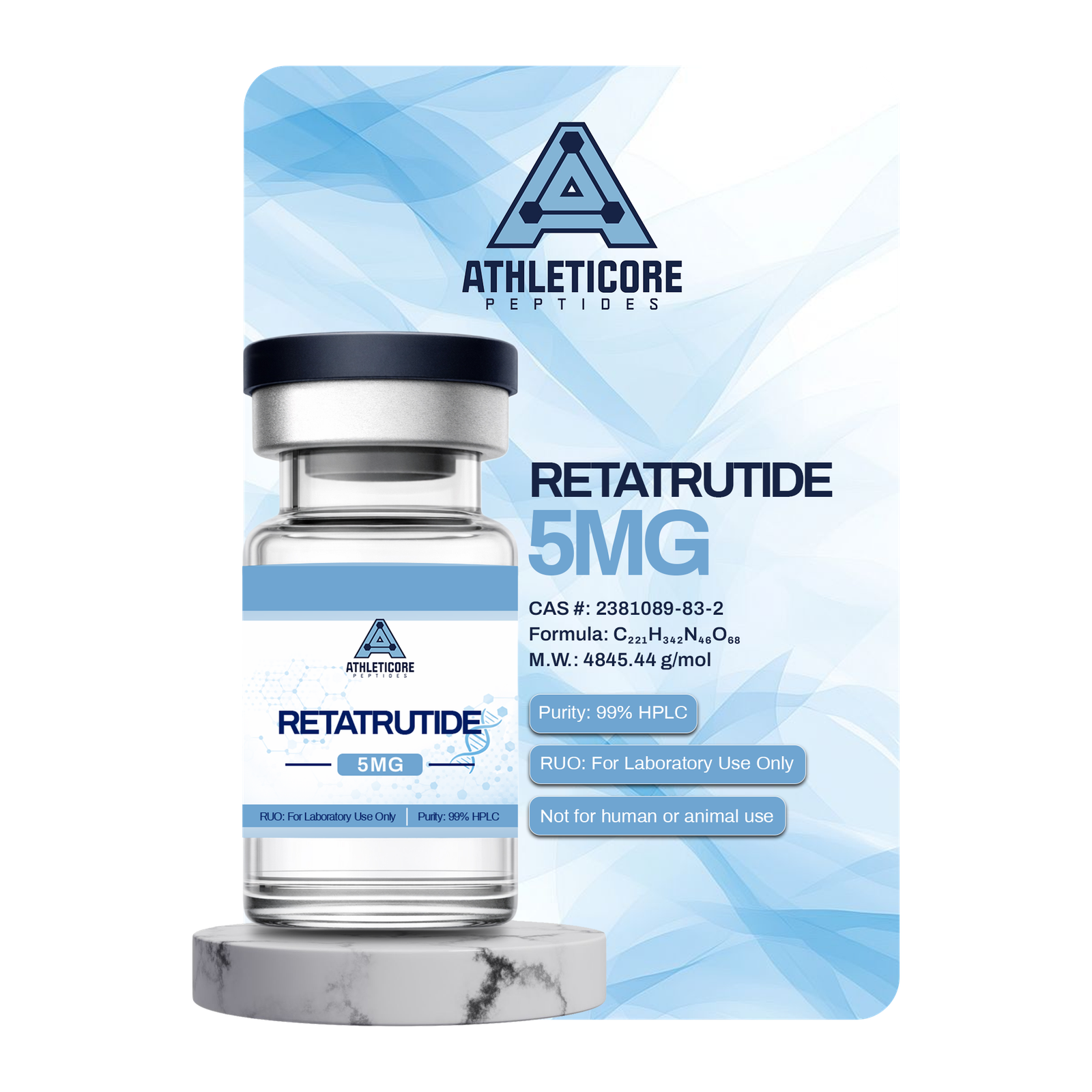
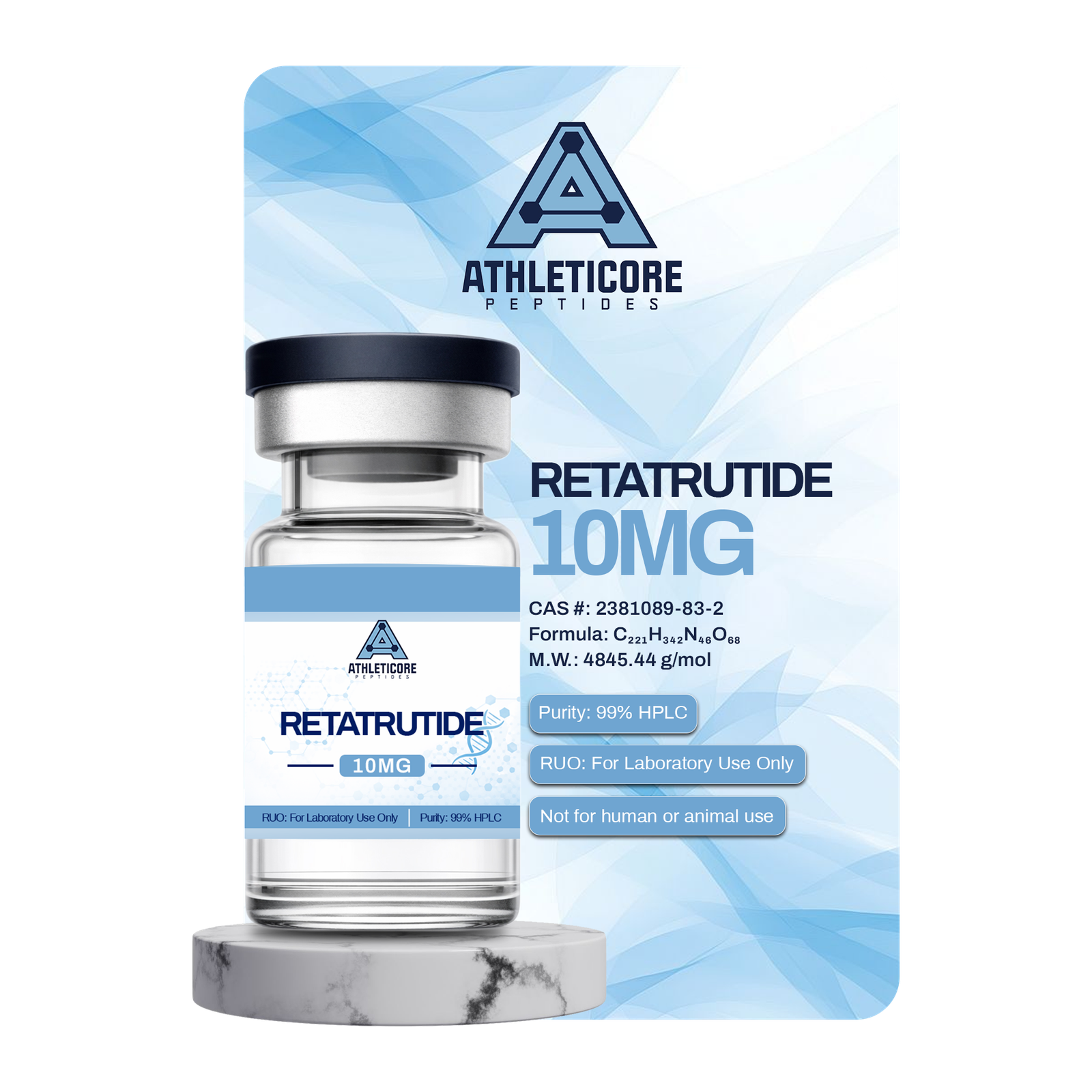
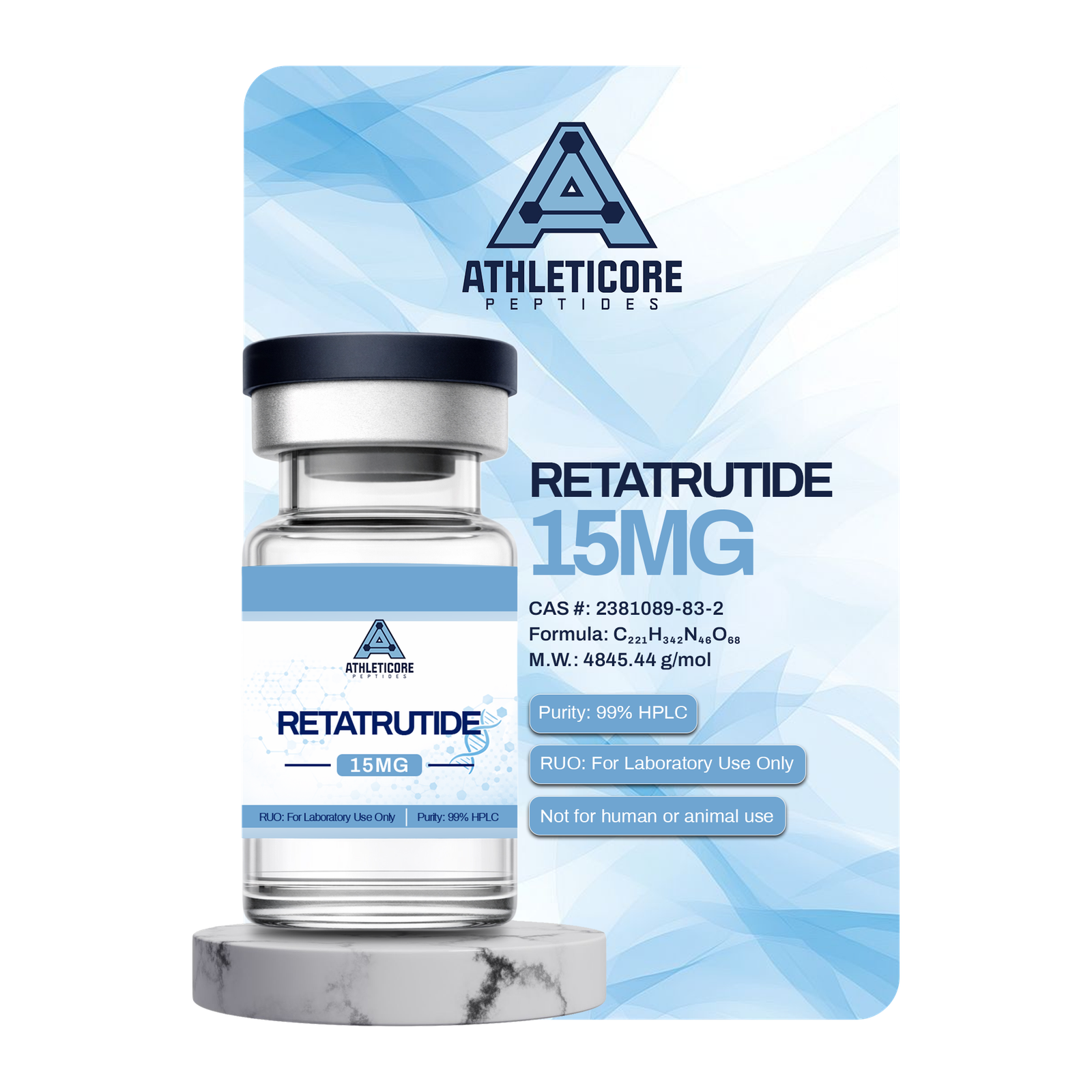
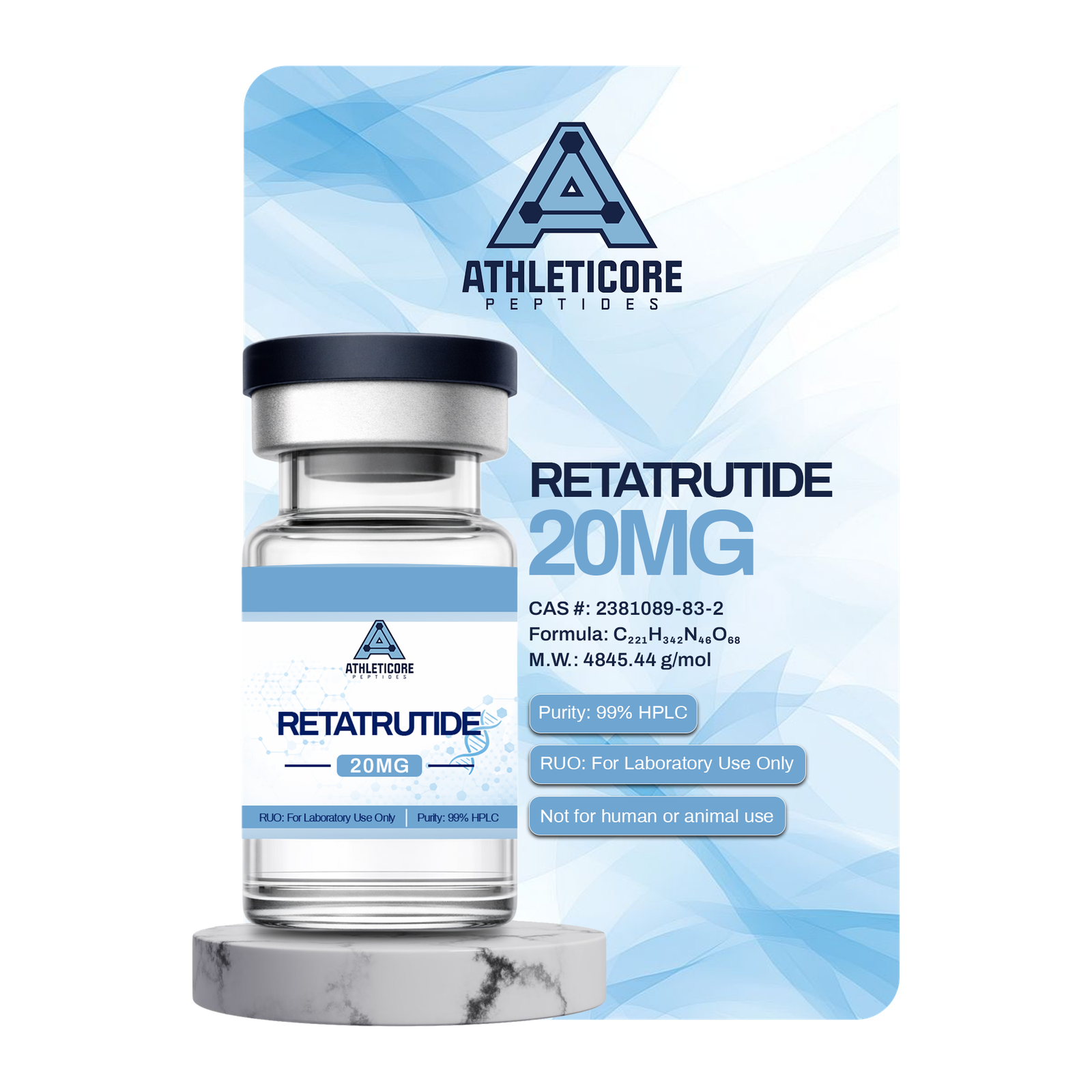
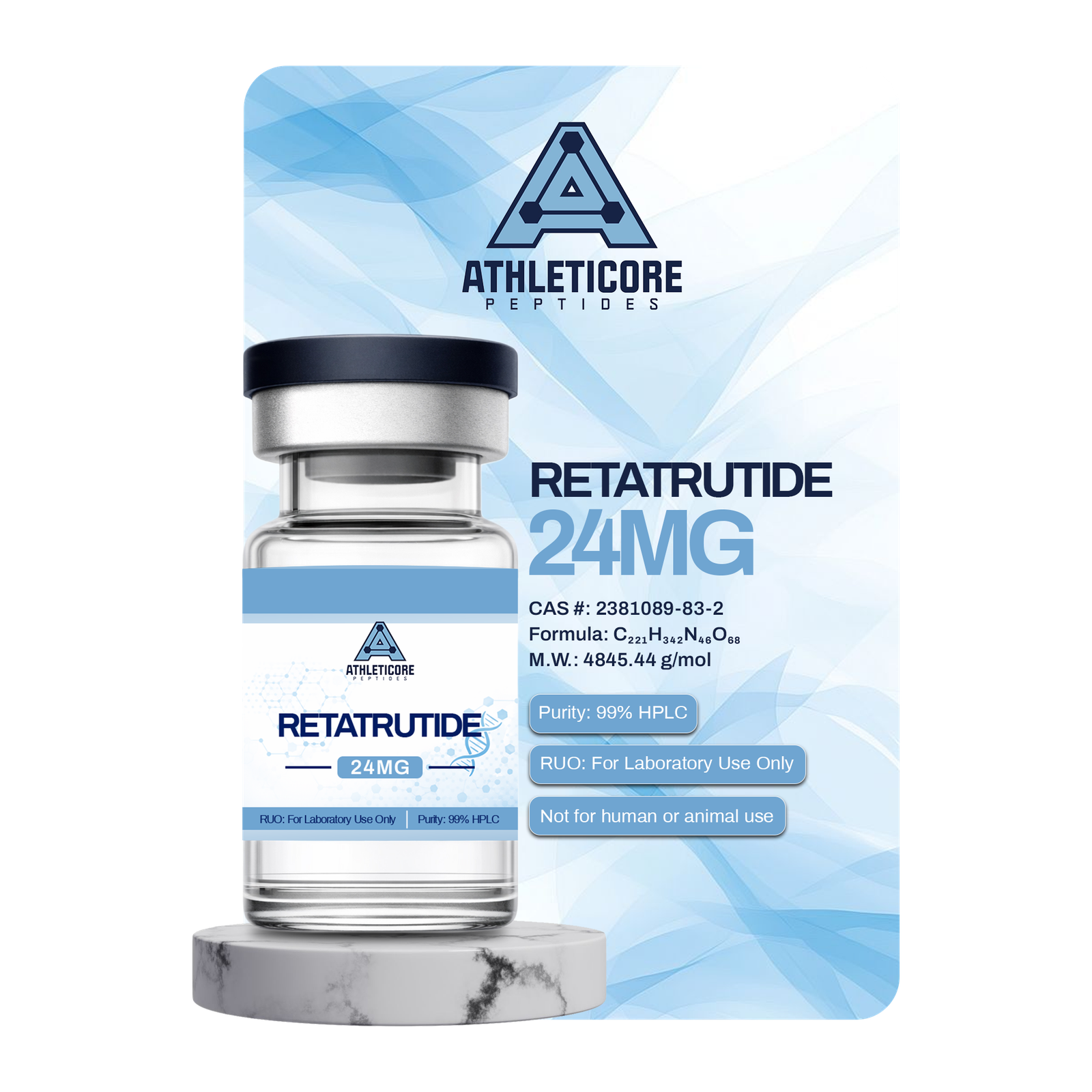
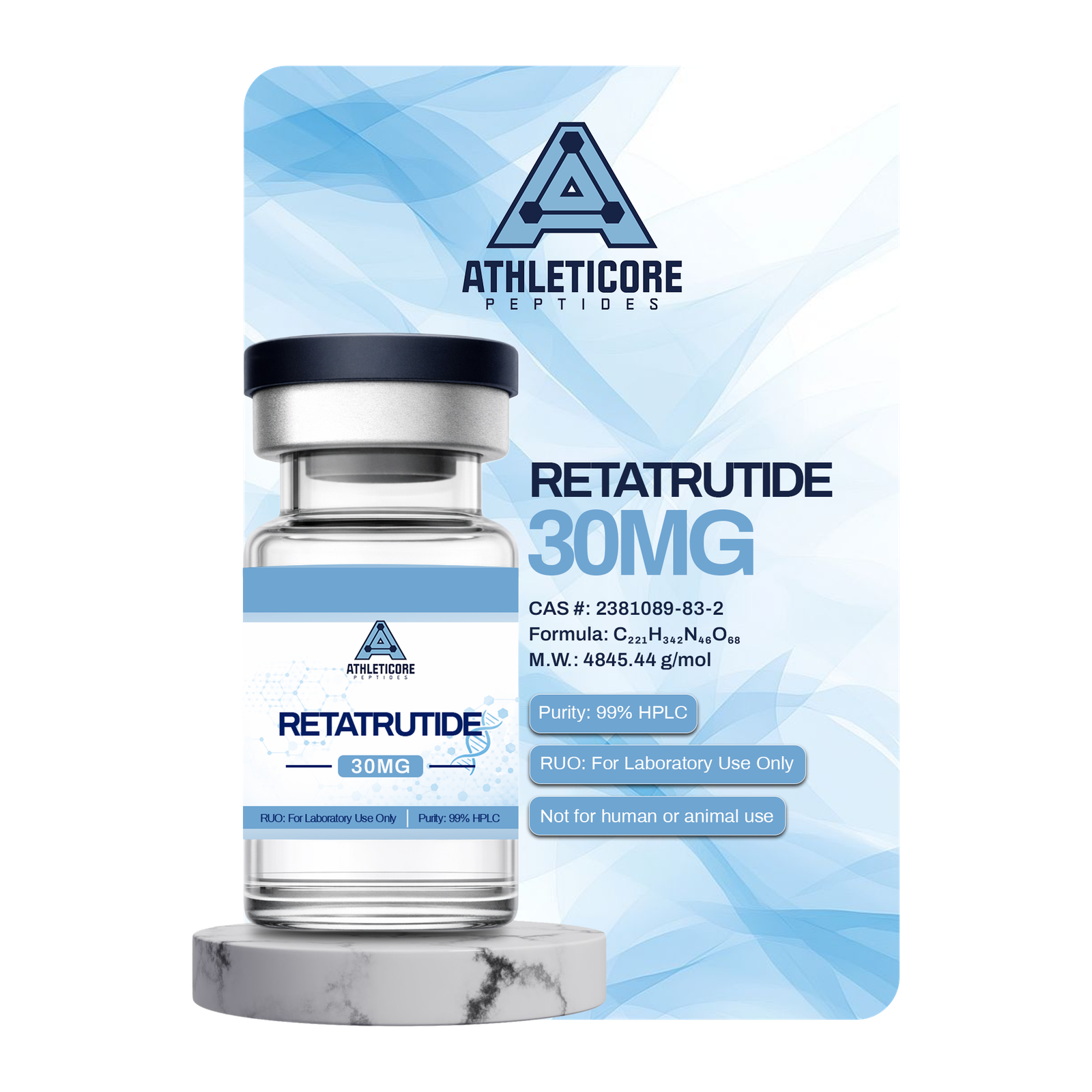
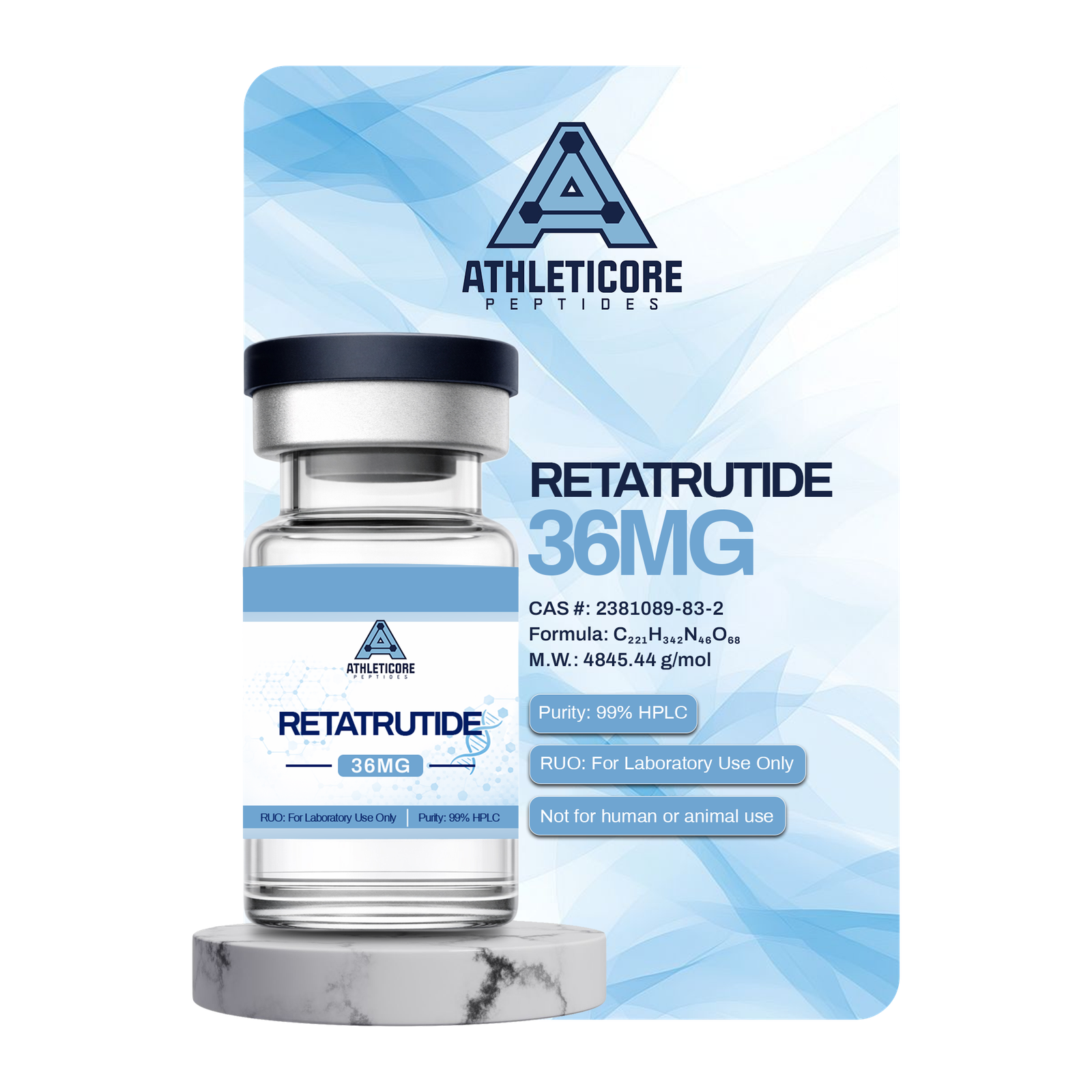
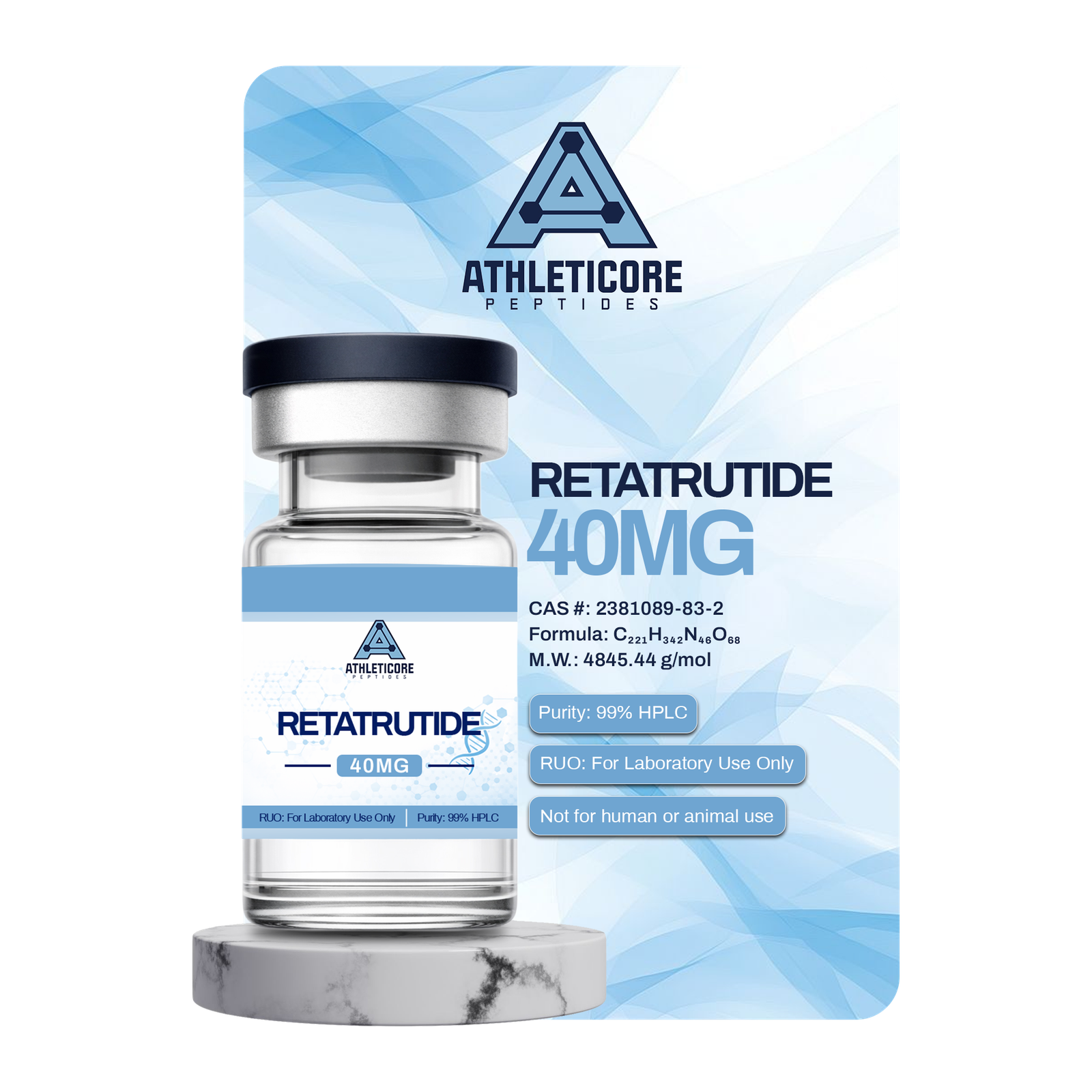
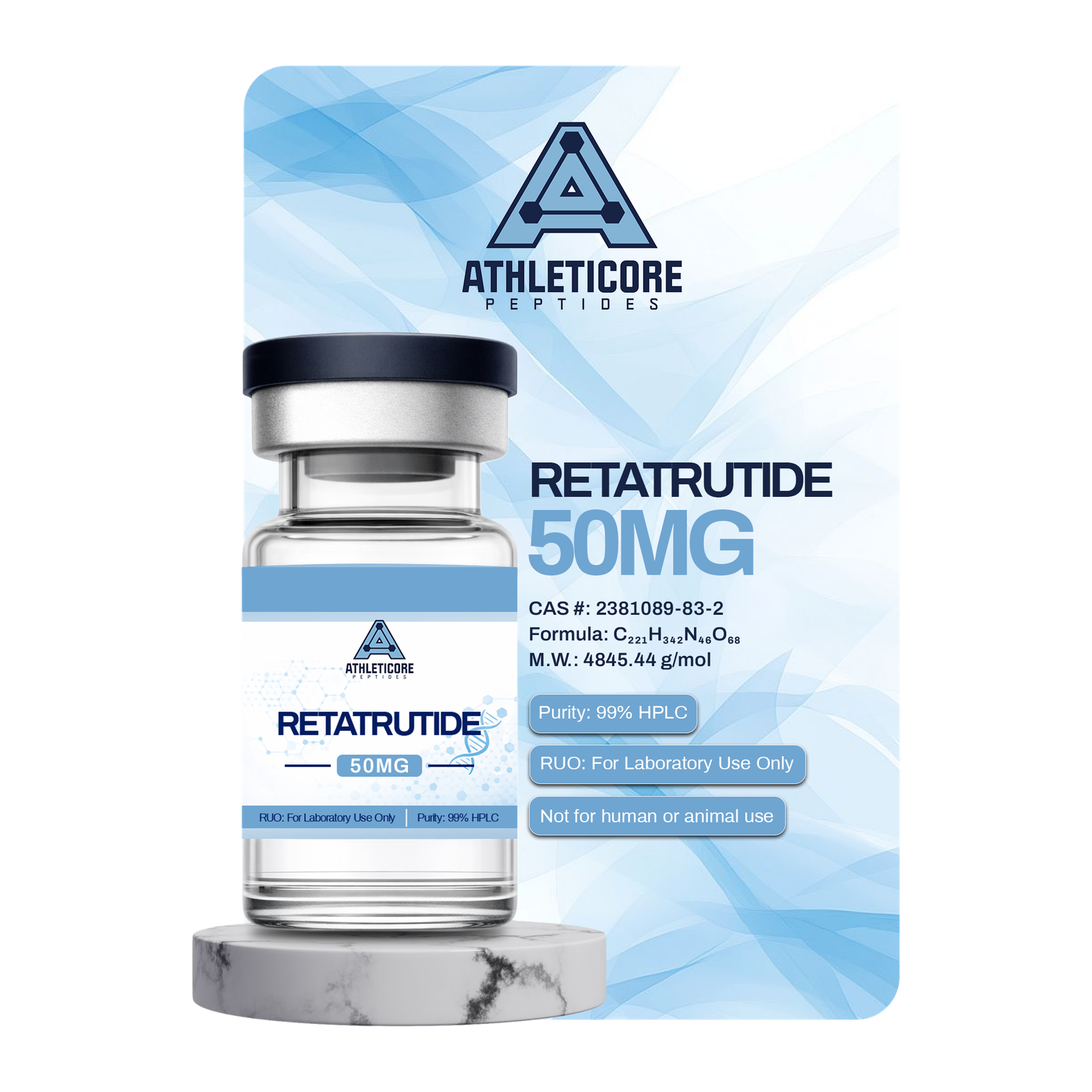
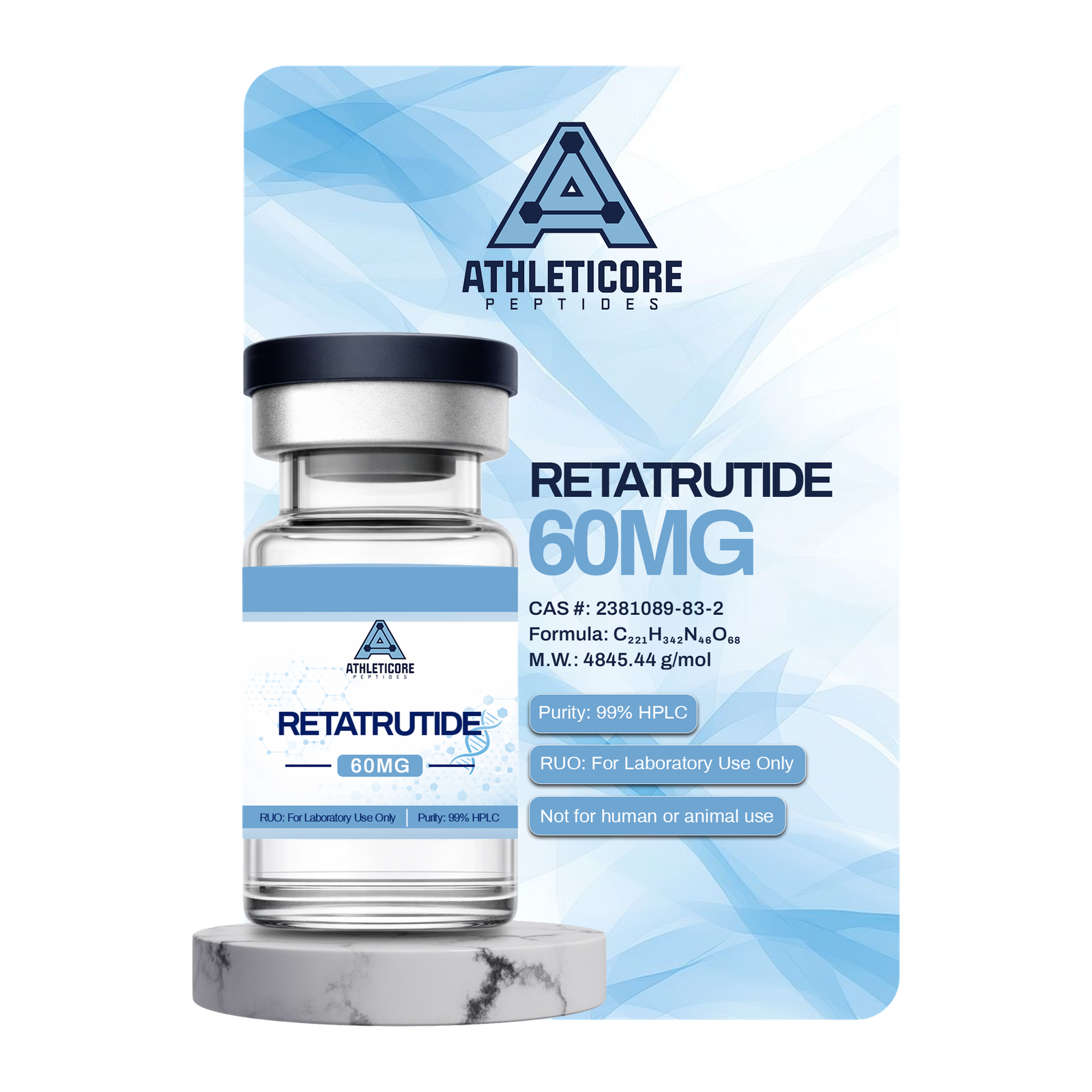
| Strengh | 5mg, 10mg, 15mg, 20mg, 24mg, 30mg, 36mg, 40mg, 50mg, 60mg |
|---|
Reviews
There are no reviews yet.