$99.99
BPC-157 is a synthetic peptide studied for its role in tissue repair and recovery. It is widely researched for supporting muscle healing, reducing inflammation, and promoting faster regeneration of connective tissues.
BPC-157 (Body Protection Compound-157) is a peptide derived from a naturally occurring protein found in gastric juice. It is known for its strong regenerative properties and has become a key focus in research related to injury recovery and tissue repair. Its ability to influence multiple healing pathways makes it highly relevant in regenerative and performance-based studies.
BPC-157 works by promoting angiogenesis, which enhances blood flow to damaged tissues and accelerates healing. It supports the formation of new blood vessels and improves nutrient delivery to injury sites.
It also influences growth factor signaling pathways, contributing to faster repair of muscles, tendons, and ligaments. Additionally, BPC-157 exhibits anti-inflammatory properties, helping reduce swelling and tissue damage.
Through these mechanisms, it supports efficient tissue regeneration and recovery.
BPC-157 has been extensively studied in regenerative medicine and injury recovery research. It is commonly explored in models involving muscle tears, tendon damage, ligament injuries, and gastrointestinal healing.
Research also investigates its role in protecting organs, improving recovery timelines, and enhancing overall tissue resilience. Its versatility across multiple healing pathways makes it one of the most widely researched peptides in recovery science.
Ongoing studies continue to evaluate its broader applications in tissue repair, inflammation control, and performance optimization.
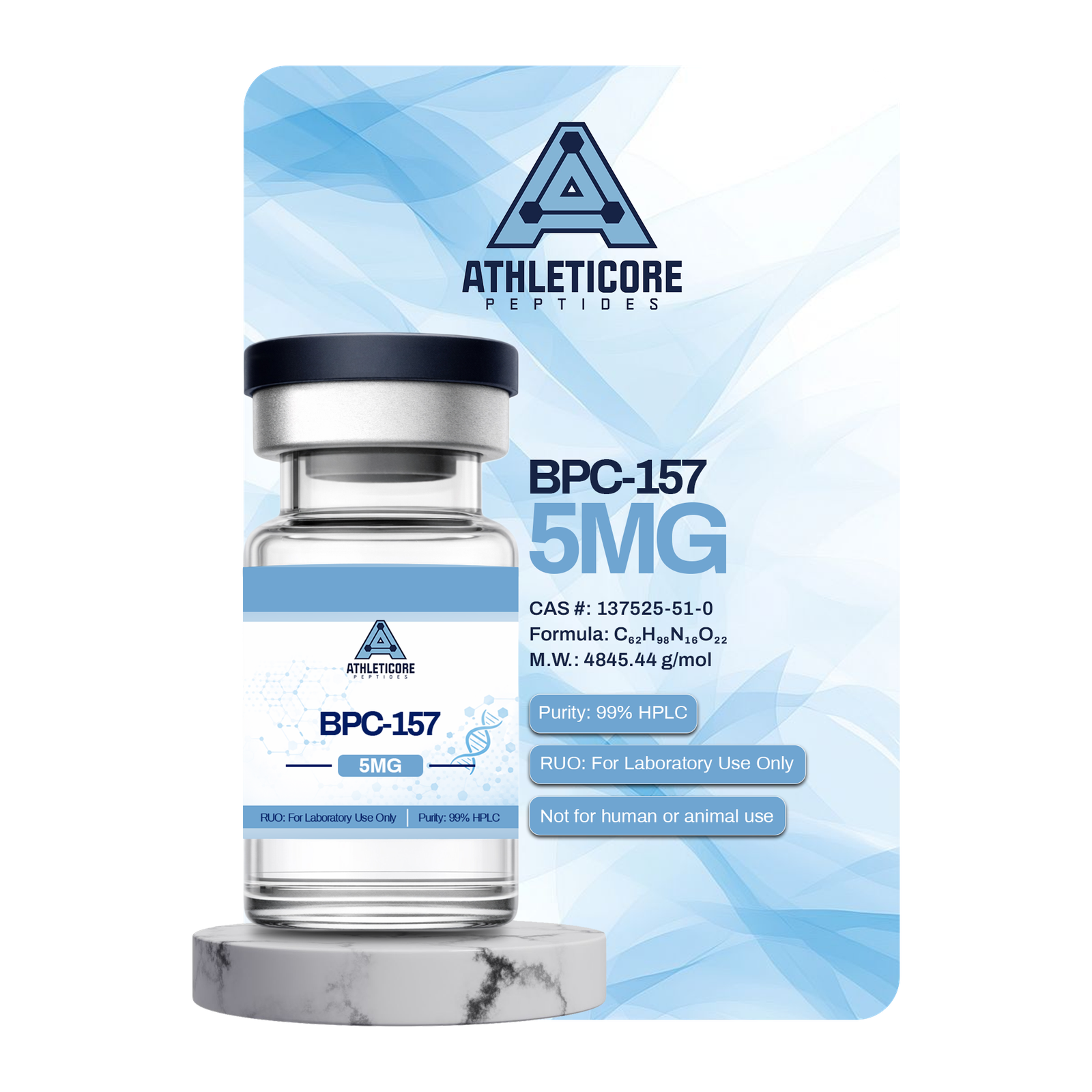
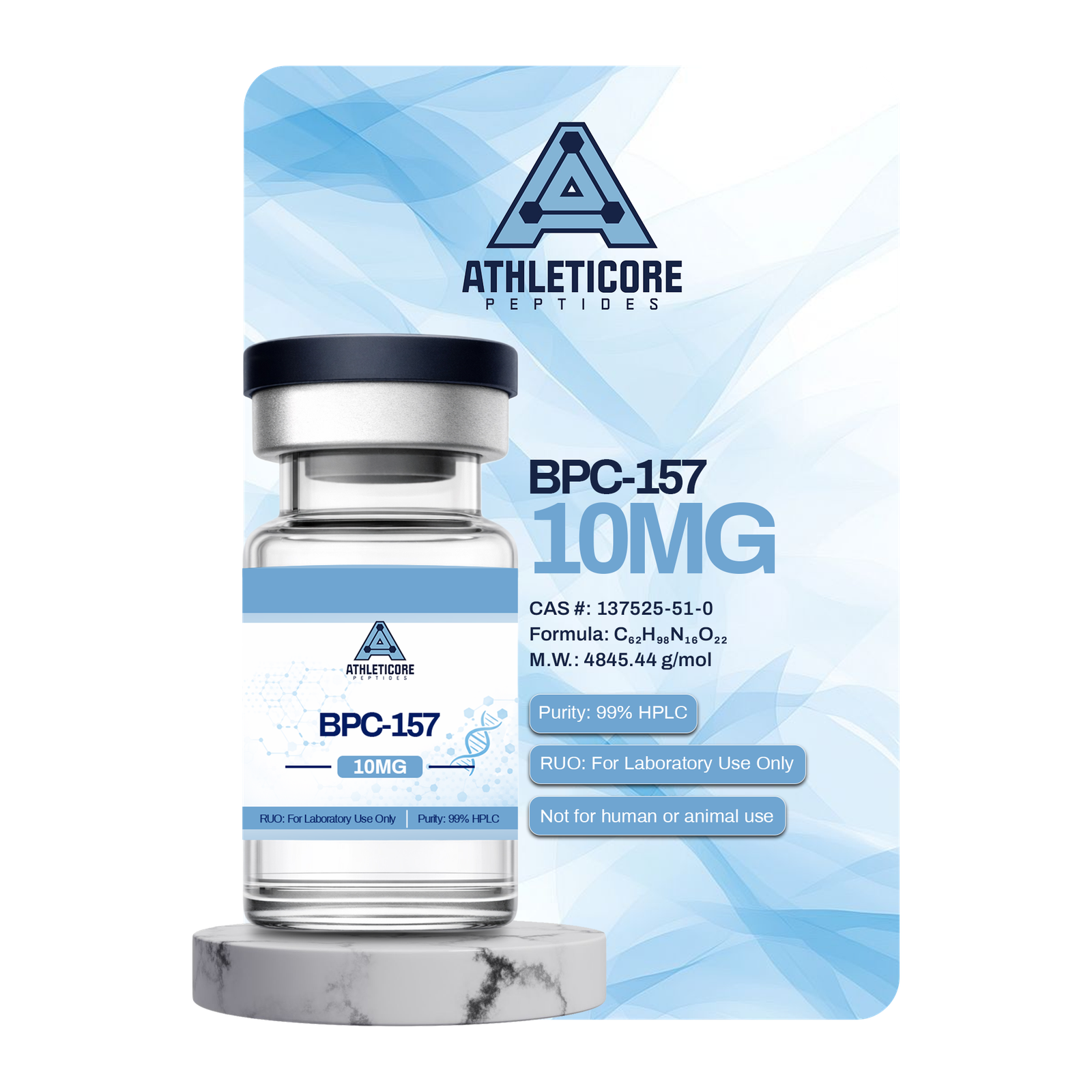
| Strengh | 5mg, 10mg |
|---|
Reviews
There are no reviews yet.