
$99.99
DSIP is a neuropeptide studied for its role in sleep regulation and stress modulation. It is widely researched for supporting deep sleep cycles, improving sleep quality, and promoting recovery through neuroendocrine balance.
DSIP (Delta Sleep-Inducing Peptide) is a naturally occurring peptide associated with sleep regulation and circadian rhythm balance. It has gained attention in research related to sleep disorders, stress response, and hormonal regulation. Its ability to influence both neurological and endocrine systems makes it a key compound in recovery and performance-focused studies.
DSIP is studied for its ability to influence sleep-related neurochemical pathways, particularly those involved in delta wave (deep sleep) activity. It may help regulate circadian rhythms and promote more stable sleep cycles.
It is also associated with modulation of stress hormones such as cortisol, supporting a more balanced neuroendocrine response. Additionally, DSIP may influence neurotransmitters involved in relaxation and recovery.
Through these pathways, it contributes to improved sleep quality and recovery processes.
DSIP has been explored in research related to sleep disorders, stress management, and recovery optimization. It is commonly studied for its potential to improve sleep duration, enhance deep sleep stages, and support overall recovery in performance models.
Research also investigates its role in hormonal regulation, including effects on cortisol and other stress-related pathways. Its dual impact on sleep and stress makes it a valuable compound in recovery-focused peptide research.
Ongoing studies continue to evaluate its broader applications in sleep science, stress resilience, and neuroendocrine balance.
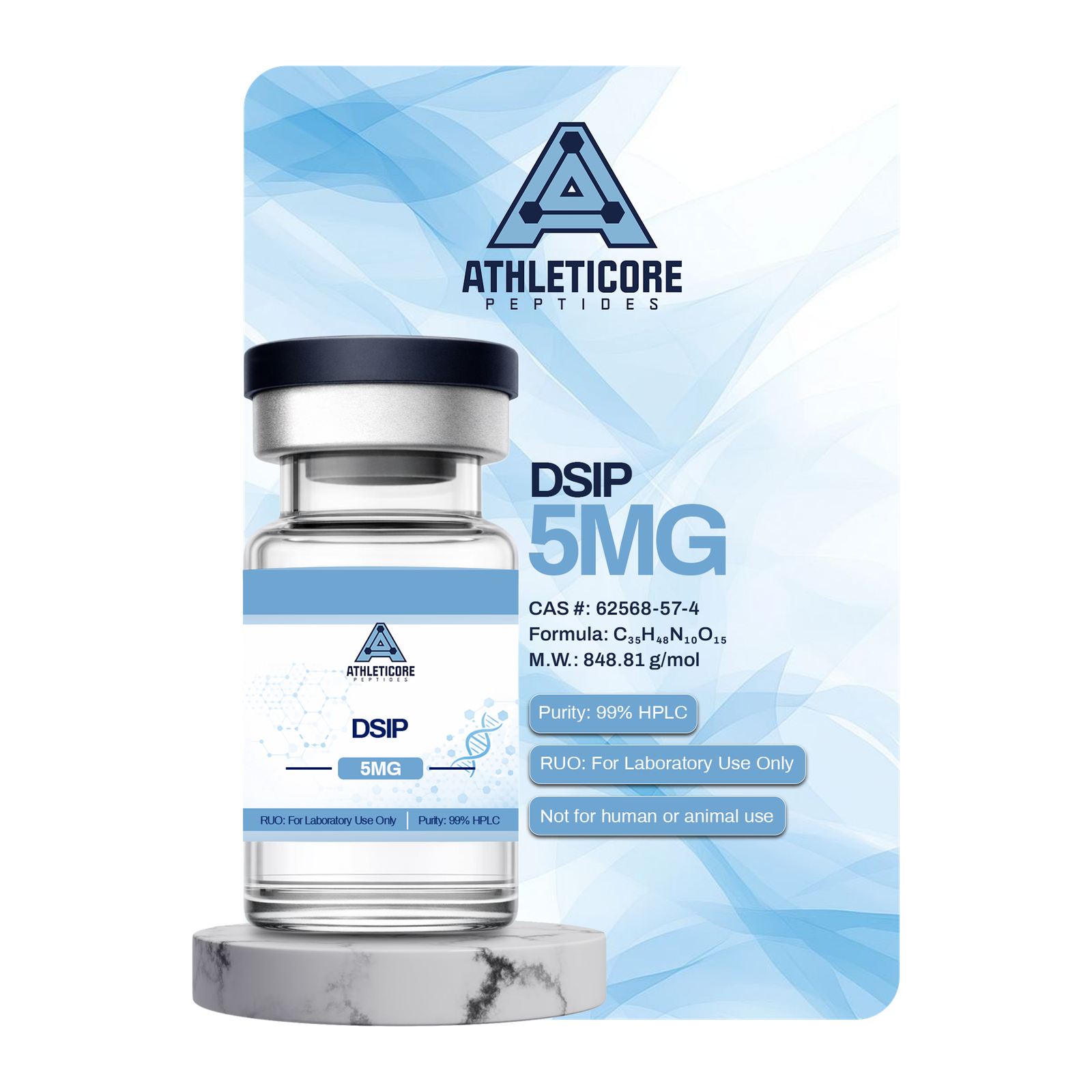
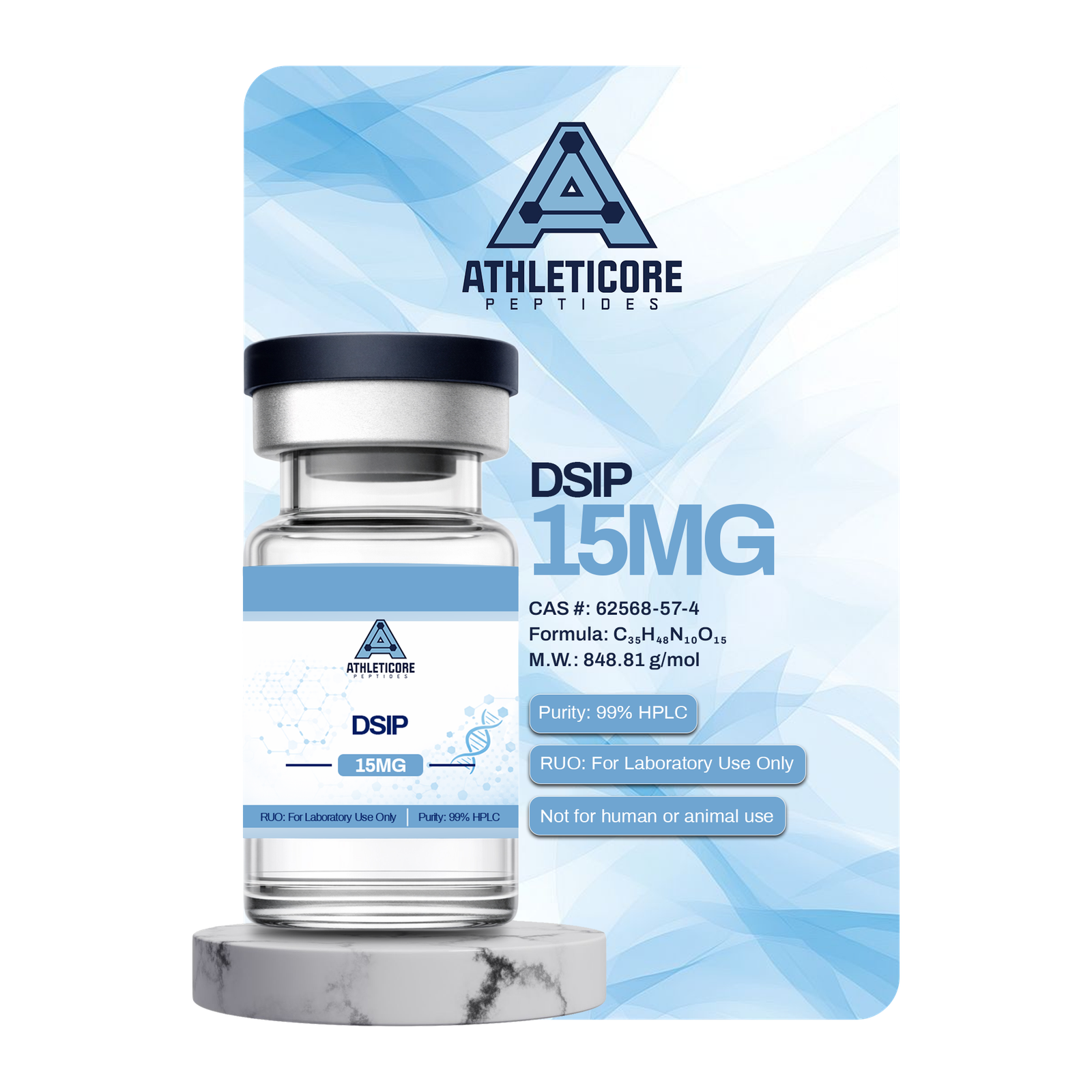
| Strengh | 5mg, 15mg |
|---|
Reviews
There are no reviews yet.