$99.00
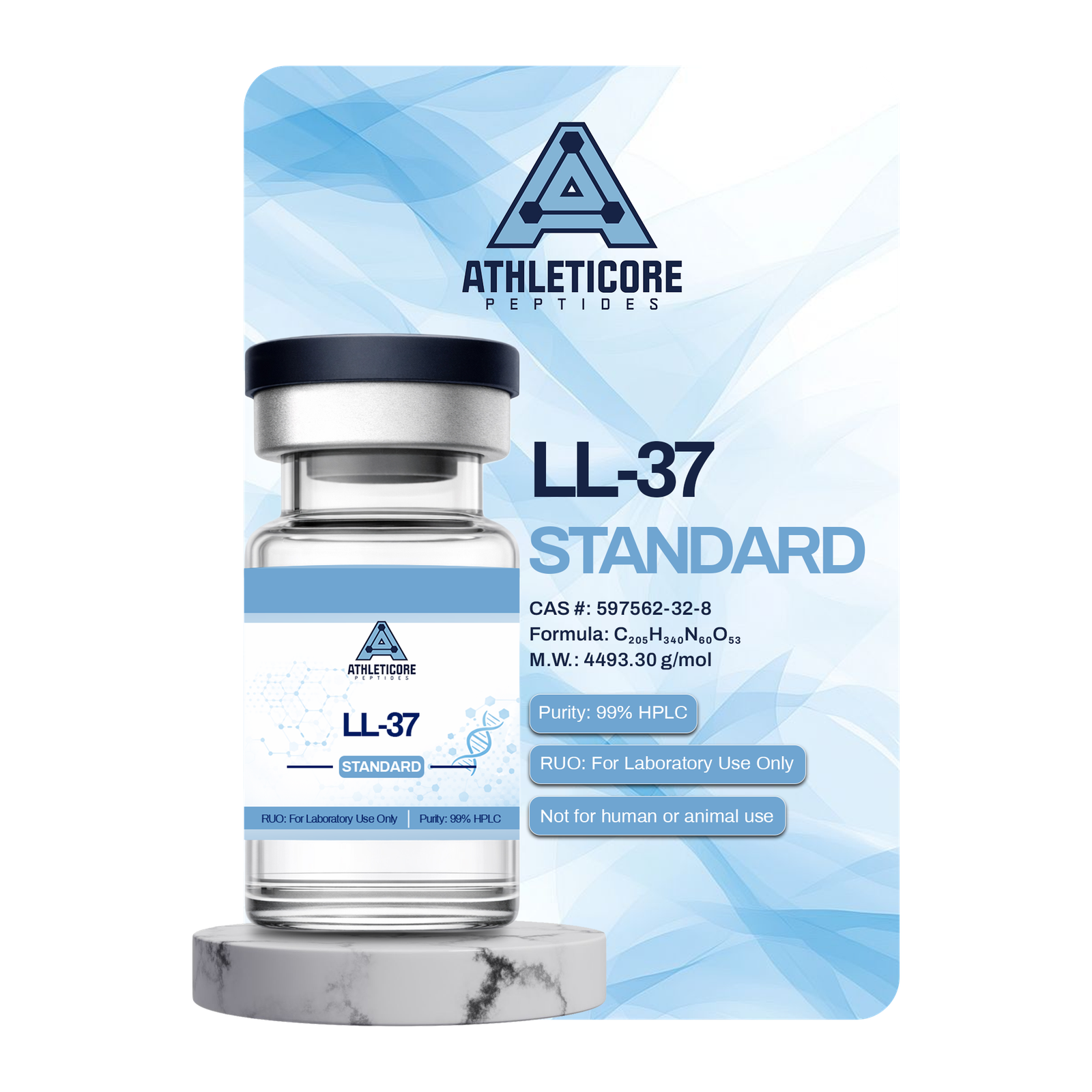
LL-37 is a human antimicrobial peptide studied for its role in immune defense and microbial regulation. It is widely researched for supporting innate immunity, promoting wound healing, and maintaining microbial balance.
LL-37 is a naturally occurring peptide derived from the human cathelicidin protein. It plays a critical role in the body’s innate immune system, acting as a first line of defense against pathogens. Due to its broad-spectrum antimicrobial properties and role in immune modulation, LL-37 has become a key focus in immunology and infection-related research.
LL-37 works by interacting with microbial membranes, disrupting their structure and leading to the breakdown of harmful pathogens. This direct antimicrobial activity makes it effective against a wide range of bacteria, viruses, and fungi in research models.
It also plays a role in modulating immune responses by influencing cytokine production and signaling pathways. Additionally, LL-37 supports wound healing by promoting cell migration, angiogenesis, and tissue repair.
Through these combined actions, it contributes to both defense and recovery processes within the body.
LL-37 has been extensively studied in immunology, infectious disease research, and regenerative medicine. It is commonly explored for its antimicrobial properties and its ability to regulate inflammation and immune responses.
Research also investigates its role in wound healing, skin health, and maintaining microbiome balance. Its dual function in both defense and repair makes it a valuable compound in advanced peptide research.
Ongoing studies continue to evaluate its broader applications in immune health and infection control.
Reviews
There are no reviews yet.