
$99.99
Tesamorelin is a synthetic GHRH analog studied for its role in stimulating growth hormone release. It is widely researched for supporting fat metabolism, improving body composition, and enhancing metabolic function.
Tesamorelin is a stabilized analog of growth hormone-releasing hormone (GHRH), designed to promote the natural release of growth hormone from the pituitary gland. It has gained significant attention in metabolic and body composition research, particularly for its effects on visceral fat and overall metabolic efficiency.
Tesamorelin works by binding to GHRH receptors in the pituitary gland, stimulating the release of endogenous growth hormone. This leads to increased levels of IGF-1, which plays a key role in metabolism, fat breakdown, and tissue repair.
It is particularly studied for its ability to reduce visceral fat while preserving lean muscle mass. Additionally, it may influence lipid metabolism and overall energy balance.
Through these pathways, Tesamorelin supports improved body composition and metabolic efficiency.
Tesamorelin has been extensively studied in metabolic and endocrine research, particularly in models related to visceral fat reduction and body composition improvement. It is commonly explored for its effects on lipid profiles, insulin sensitivity, and overall metabolic health.
Research also investigates its role in growth hormone deficiency models and age-related metabolic decline. Its targeted action on GH pathways makes it a key compound in advanced metabolic and performance research.
Ongoing studies continue to evaluate its broader applications in fat metabolism and endocrine optimization.
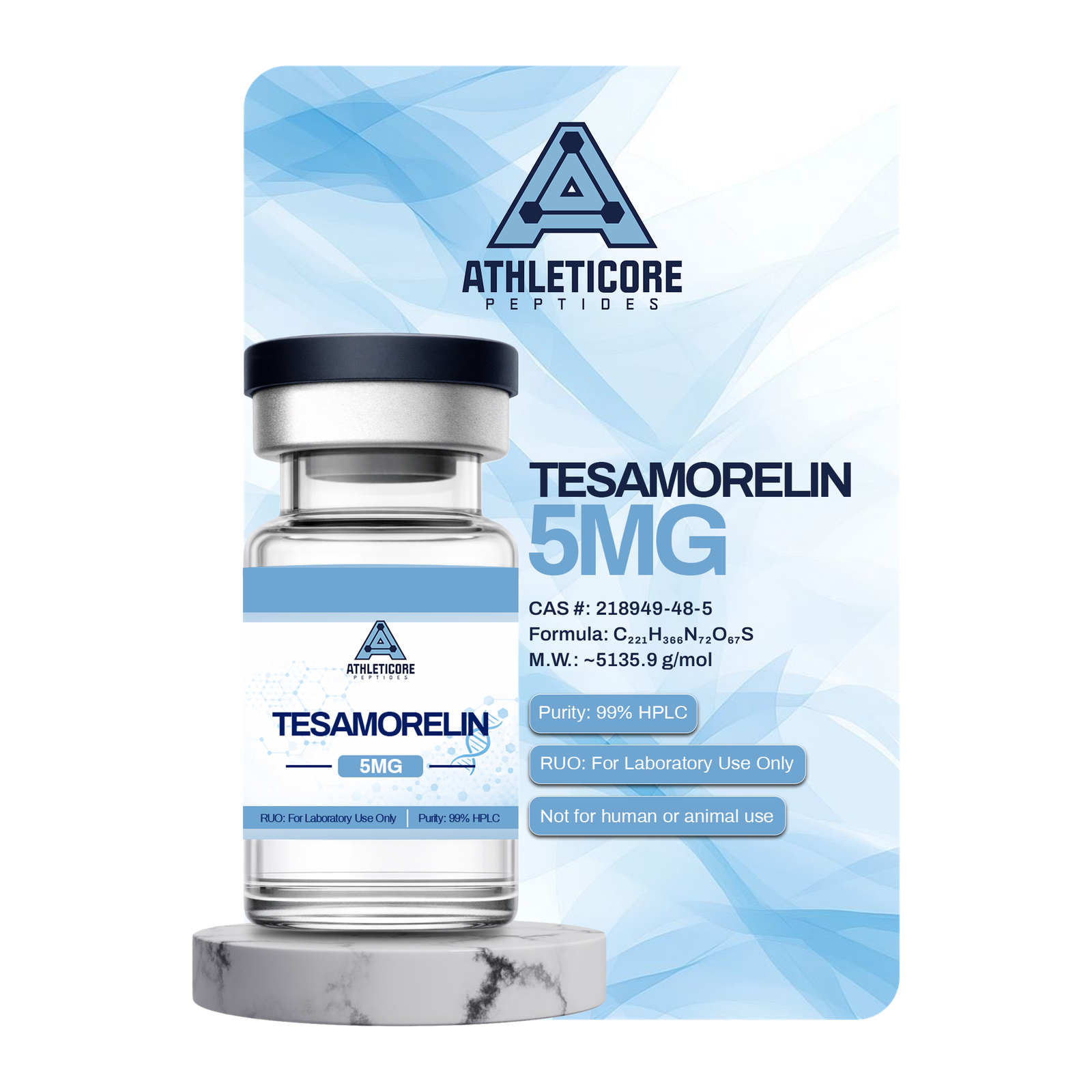
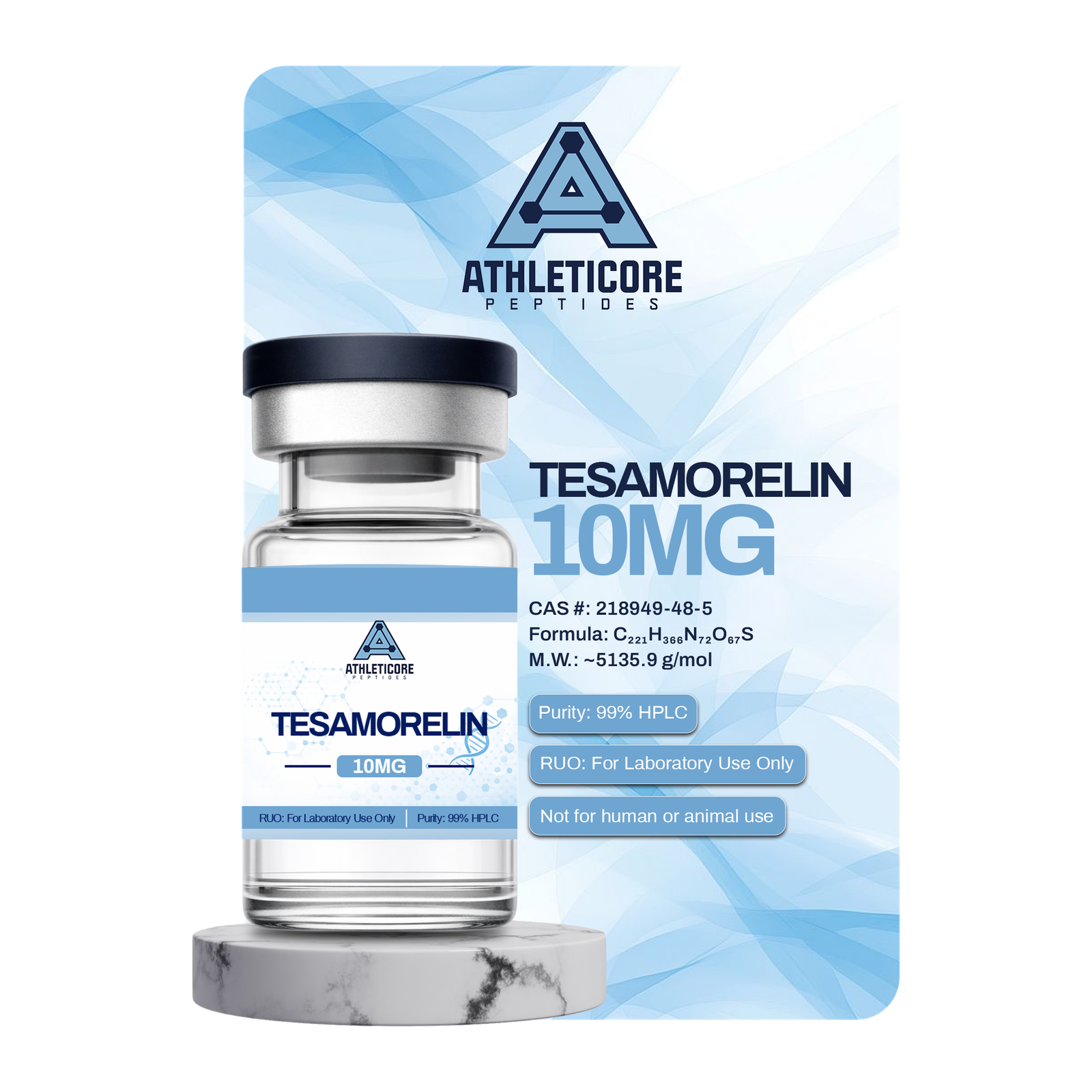
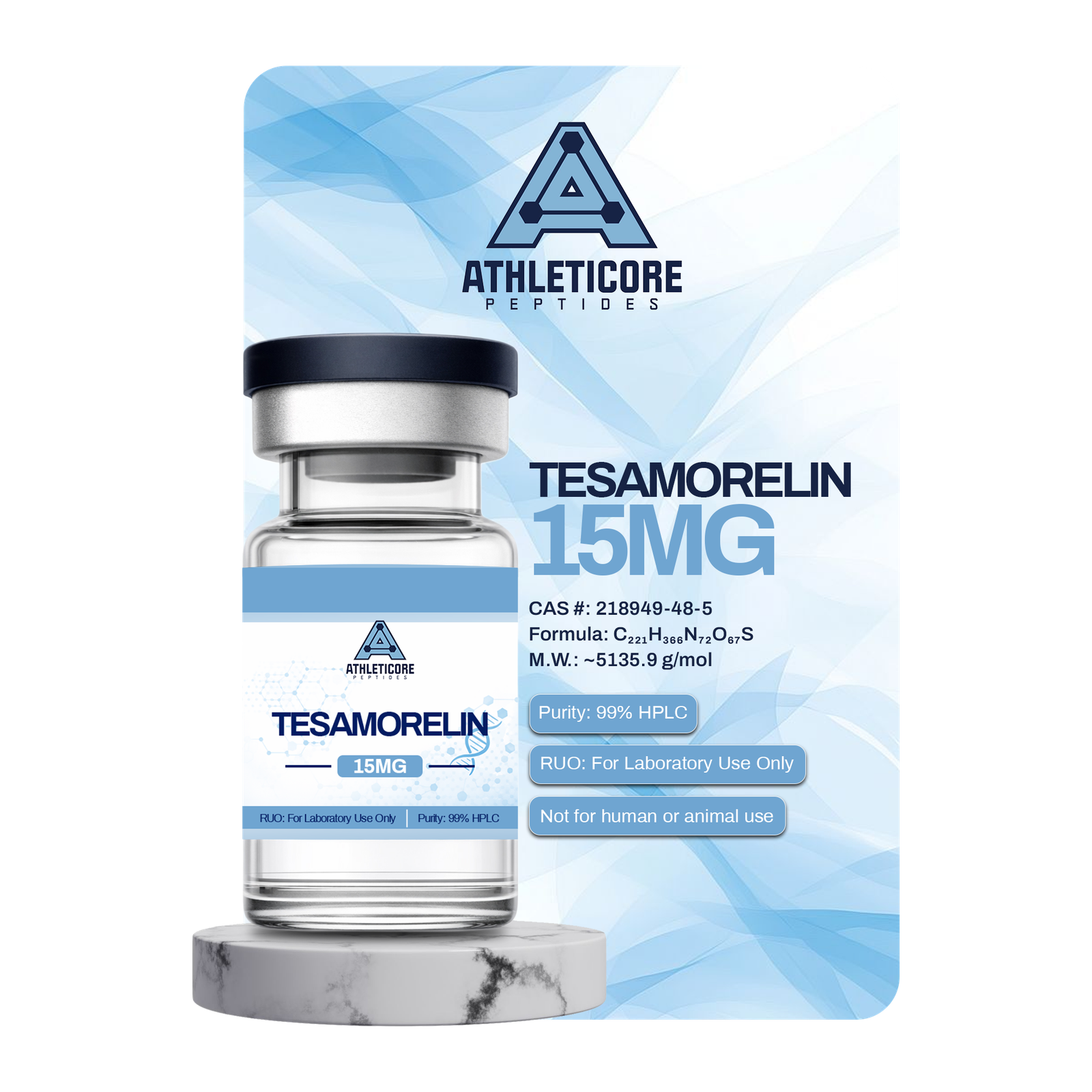
| Strengh | 5mg, 10mg, 15mg |
|---|
Reviews
There are no reviews yet.