
$99.99
TB-500 (Thymosin Beta-4) is a synthetic peptide studied for its role in tissue repair and recovery. It is widely researched for supporting cell migration, reducing inflammation, and promoting faster healing in muscle and connective tissues.
TB-500 is the synthetic version of Thymosin Beta-4, a naturally occurring peptide found in many tissues throughout the body. It plays a key role in cellular repair, regeneration, and inflammation control. Due to its systemic effects and ability to travel throughout the body, TB-500 has become a major focus in recovery and regenerative research.
TB-500 works by promoting actin regulation, a key component of cell structure and movement. This allows for enhanced cell migration to damaged areas, supporting faster tissue repair and regeneration.
It also stimulates angiogenesis, encouraging the formation of new blood vessels, which improves nutrient and oxygen delivery to injured tissues.
Additionally, TB-500 exhibits anti-inflammatory properties, helping reduce swelling and support recovery in muscle, tendon, and ligament tissues.
Through these pathways, it plays a central role in improving healing efficiency and tissue restoration.
TB-500 has been widely studied in regenerative medicine and recovery-focused research. It is commonly explored in models related to muscle injuries, tendon repair, and wound healing.
Research also investigates its systemic effects, as it is known to distribute throughout the body rather than remaining localized. This makes it a unique compound for studying whole-body recovery processes.
Ongoing studies continue to evaluate its applications in tissue regeneration, inflammation control, and performance-related recovery.
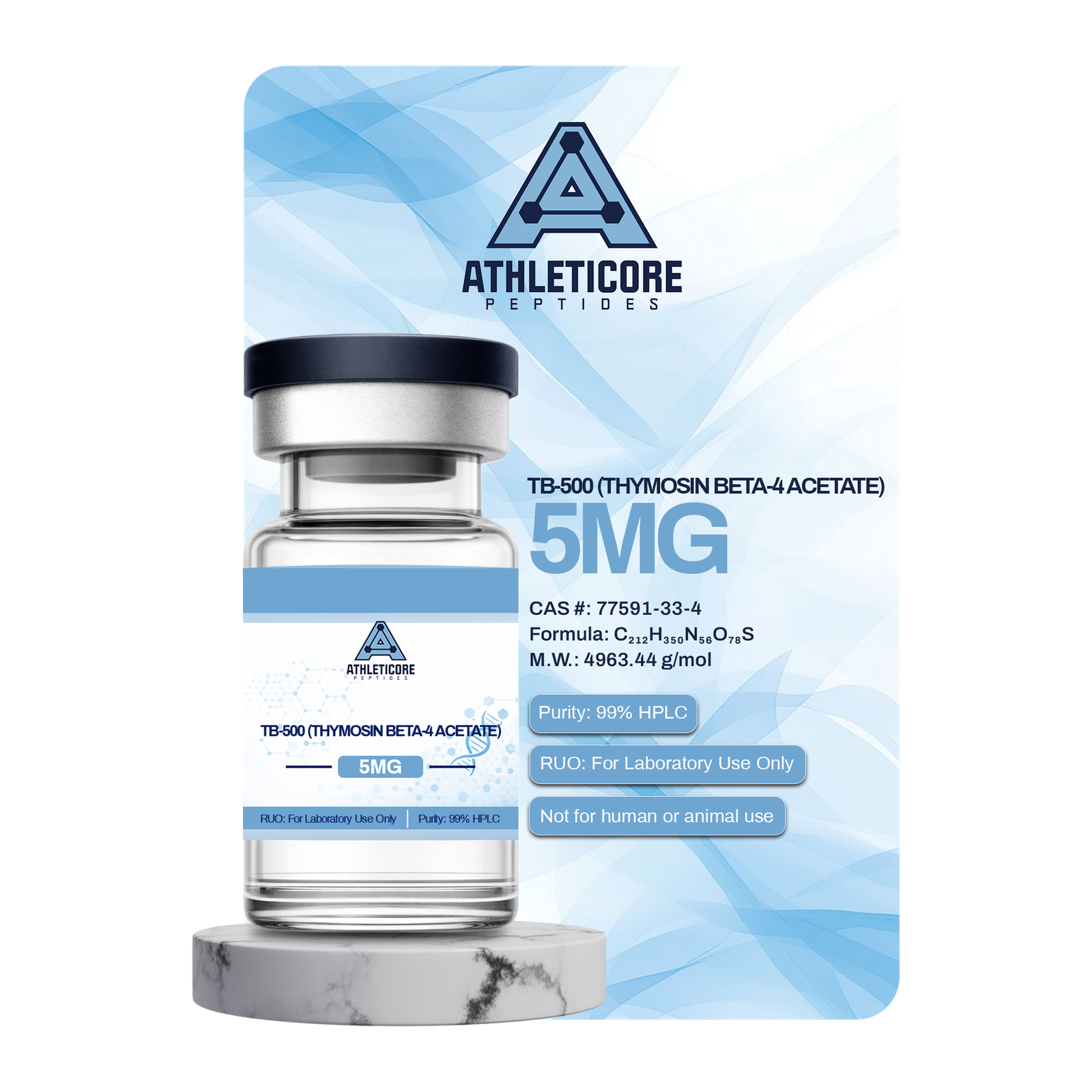
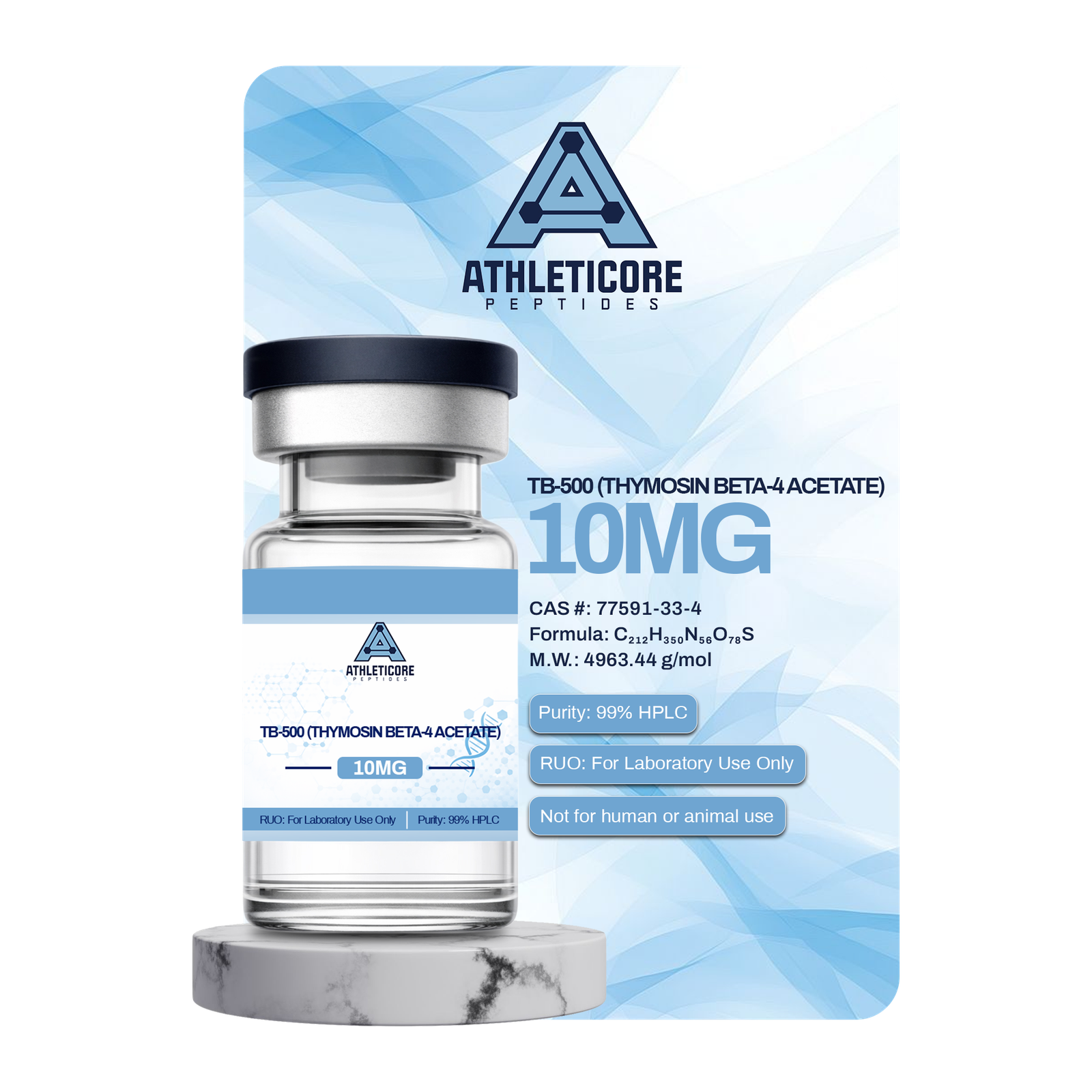
| Strengh | 5mg, 10mg |
|---|
Reviews
There are no reviews yet.